Ramadan Fitness: How to Train Safely While Fasting
Timing workouts around suhoor and iftar, maintaining muscle in the Gulf and North Africa, and avoiding dehydration during long summer fasts.

Fitness Goals During Ramadan: Maintain, Do Not Max
Ramadan shifts eating and sleeping windows for millions across Saudi Arabia, Egypt, Morocco, Turkey, UK Muslim communities, and beyond. Primary fitness goal should be maintenance — keep habit, muscle, and sanity — not aggressive fat loss or personal records. Long fasting hours in summer compress recovery; respect that biology.
Consult a physician if you manage diabetes, heart conditions, or pregnancy — fasting and exercise rules differ individually.
Best Times to Train
After iftar (most common): Break fast with dates and water, light soup, pray if needed, then train 60–90 minutes post-iftar with a proper meal waiting afterward. Strength and moderate cardio work well here in Dubai and Karachi diaspora gyms.
Before suhoor: Possible for low-intensity sessions or short weights for early risers — finish with hydration and a balanced suhoor. Risk: sleep loss. Avoid high heat outdoor runs in Gulf cities.
Before iftar: Generally avoid intense training while dehydrated — light walk or stretching only. Late-afternoon heat plus dehydration risks dizziness.
Session Design While Fasting Hours
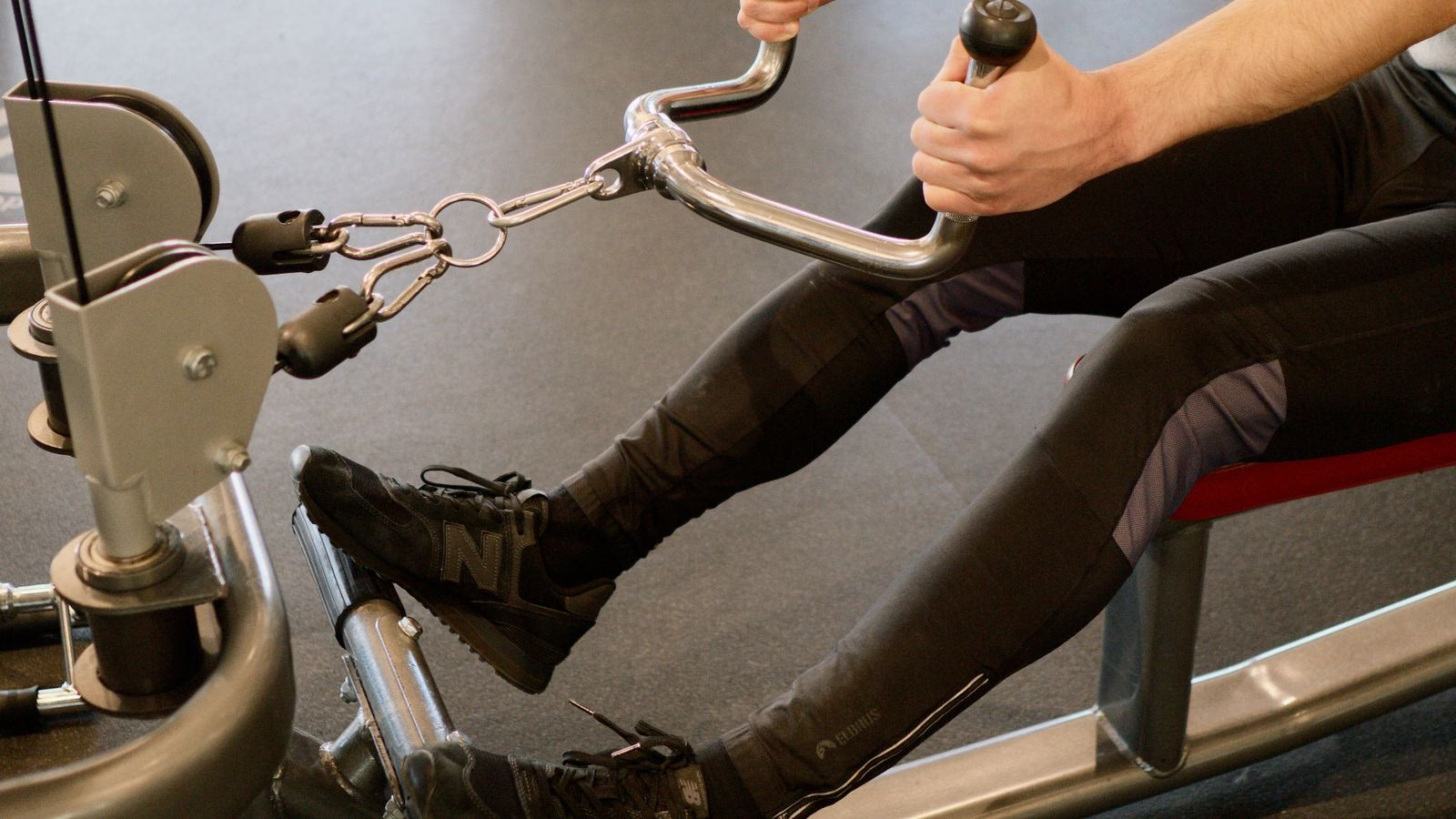
Reduce volume 20–40%. Keep home gym basics at two to three days weekly. Prefer compound lifts at familiar loads — no one-rep max attempts. HIIT is poor choice fasted late day; save intervals for post-iftar if at all.
Hydration Strategy Between Iftar and Suhoor
Water needs do not disappear — use our water intake calculator and spread fluids with electrolytes in hot climates (hydration guide). Limit excessive caffeine at suhoor — diuretic effect. Include potassium-rich foods: bananas, yogurt, lentils.
Nutrition Quality Matters More Than Timing Tricks
Iftar feasts heavy on fried food cause sluggish training and reflux. Anchor meals on protein, vegetables, complex carbs — overlap with Mediterranean meal prep principles. Suhoor: oats, eggs, labneh, whole grains, not just sugar.
Protein targets from our protein guide may be harder to hit in two meals — prioritize protein at both windows.
Sleep and Recovery
Taraweeh prayers and social nights shrink sleep. Naps when possible; protect seven hours if you can. Skin and energy suffer when sleep drops — see sleep recovery for beauty and fitness.
Women-Specific Considerations
Menstruation during Ramadan adds iron and energy considerations — lighter training on heavy days is reasonable. Pregnant and breastfeeding women often exempt from fasting; follow medical guidance, not gym bro pressure.
Gym Culture in Ramadan
Gyms in Riyadh and London often shorten hours or offer ladies-only slots. Wipe equipment, respect crowded post-iftar peaks, and read regional gym etiquette. Patience in locker rooms and prayer spaces builds community.
Breaking the Fast and Working Out: Sample Evening
6:30 pm — dates, water, small bowl lentil soup
7:00 pm — Maghrib prayer
7:30 pm — gym: 45 min full-body moderate weights
8:30 pm — dinner: grilled fish, rice, salad, yogurt
10:00 pm — light snack if hungry before sleep
Adjust for your country’s maghrib time and work schedule.
When to Stop
Chest pain, severe headache, vomiting, or faintness — stop, cool down, hydrate when allowed, seek medical help if needed. Ramadan is spiritual first; fitness serves health, not ego.
Train smart, hydrate between dusk and dawn, eat deliberately, and emerge without starting from zero on Eid.
Women's Gym Access During Ramadan
Ladies-only hours expand in some UAE and Saudi clubs during Ramadan — plan membership calls early. Turkey and Egypt mixed gyms may shorten daytime hours; verify WhatsApp updates from local clubs. Hijabi swimmers should check pool ladies slots if swimming is your cardio — many municipal pools in UK cities run women-only evenings year-round, busier in Ramadan.
Mental Health and Guilt Around Training
Missing workouts during Ramadan does not erase prior fitness. Spiritual and family obligations come first. Two maintenance sessions weekly preserve habit without guilt. Compare notes with training partners in Nigerian Muslim communities and British mosque gym groups — community normalises scaled effort.
Post-Eid Return to Full Volume
Gradually restore volume over two weeks after Eid rather than jumping to pre-Ramadan max loads — tendons and sleep rhythm need recalibration. Revisit protein targets as meal timing normalises.
Family and Social Obligations
Iftar invitations multiply in Jordan and UAE corporate culture — training plans flex. Choose two anchor nights weekly for gym regardless of dinner length; walk after heavy meals instead of intense intervals. Communicate with trainers about Ramadan; good coaches in Casablanca adjust programmes without shaming reduced intensity.
Children observing first fasts need age-appropriate activity — football in street still happens; hydrate after maghrib. Teens combining exam revision and fasting in Cairo should not stack all-nighters with heavy lifting — cognitive and physical recovery compete for same reserves.
Hydration-Rich Foods at Suhoor and Iftar
Cucumber, watermelon, yogurt drinks, and soup increase fluid intake beyond glasses of water alone — practical in Riyadh summer when drinking feels heavy after iftar feast. Limit ultra-salty olives and cheese stacks at iftar that increase thirst overnight. Balance pleasure and function — Ramadan tables are social glue, not macro spreadsheet only.
Topics covered
- Ramadan
- fasting
- fitness
- UAE
- Muslim athletes
Frequently Asked Questions
When is the best time to exercise during Ramadan?
Most coaches in the Gulf, North Africa, and European Muslim communities recommend training 60–90 minutes before iftar for moderate sessions, or 1–2 hours after a light iftar for strength work. Very intense sessions are usually best after taraweeh or before suhoor if sleep allows.
Should I lift weights while fasting?
Moderate resistance training is generally safe for healthy adults, but reduce volume and intensity by 20–40% compared to non-fasting months. Prioritise compound lifts at maintenance loads rather than personal records, and break fast promptly with water, dates, and protein.
How much water should I drink between iftar and suhoor?
Aim for 2–3 litres spread across the eating window, with electrolytes if you train or live in hot climates like the UAE or Morocco. Avoid chugging large amounts at once — steady sipping supports hydration better overnight.
Can I do cardio while fasting?
Light walking before iftar is widely tolerated. High-intensity cardio or long runs while dehydrated increase dizziness and muscle breakdown risk. Save harder conditioning for after iftar or reduce expectations during the last ten days when sleep is limited.